
The Best Color Palettes for Lowcountry Home Interiors
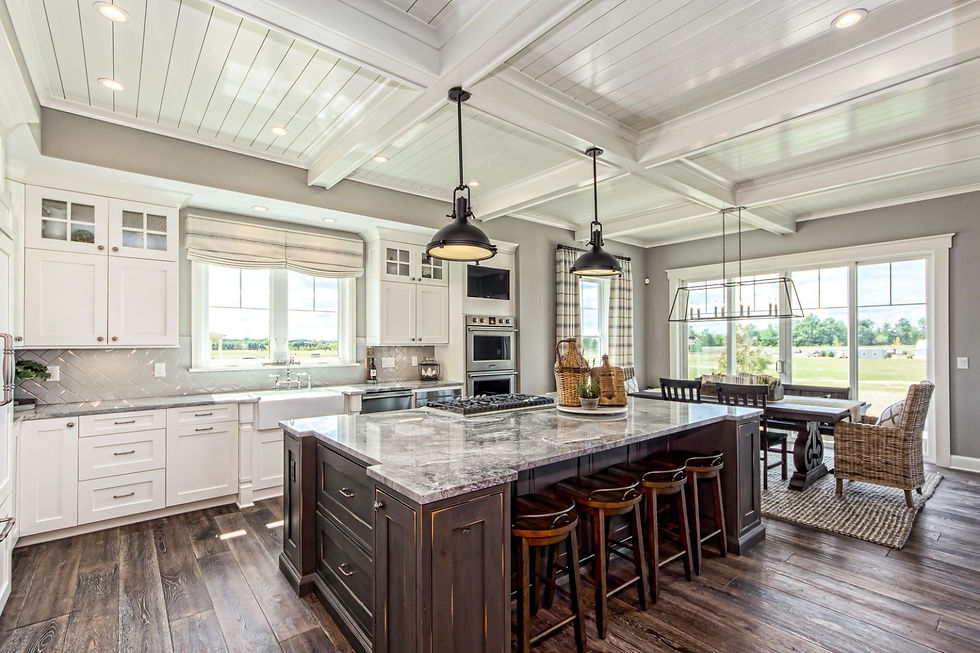
Color selection for a Lowcountry home requires something most national color guides do not account for: South Carolina's coastal light. The light here is intense, warm, and direct in a way that fundamentally shifts how colors read compared to the cool, diffuse light of the photographic contexts where most paint colors are curated and presented. Colors that look beautiful on a chip in a paint store — or in a beautifully styled image from a design magazine produced in a northern studio — can read entirely differently on your walls in afternoon coastal sun.
The palettes that consistently look extraordinary in Lowcountry interiors are drawn from the landscape itself: the warmth of the afternoon light on oyster shells, the gray-green of marsh grass, the blue of the Cooper River at dusk, the dark rich green of live oaks in August. These are not generic coastal references. They are specifically Lowcountry — and when they appear in a home here, they feel like they have always been there.
Before Any Palette: The Rules That Apply to All of Them
South Carolina's light — particularly in south and west-facing rooms — shifts colors significantly from their chip appearance. Paint a full piece of foam board and observe it across a full day before committing. Always test at full scale in your actual space.
The intensity of coastal light tends to make cool blue-white paints read stark. Warm whites and off-whites are more forgiving and more aligned with the regional aesthetic. Warm whites generally outperform cool whites in Lowcountry interiors.
High gloss amplifies intense coastal light in ways that can feel harsh on large surfaces. Matte and eggshell finishes are typically more appropriate for walls than high-gloss.
The warm tones of white oak and heart pine affect how every wall color reads. Always view samples in your actual space with your actual flooring. Coordinate with your flooring before finalizing wall colors.
Palette 1: Classic Coastal Warmth
The most enduring Lowcountry interior palette — drawn from permanent landscape references rather than transient trends, which is why it has looked right in Charleston homes for generations.
Oyster white or warm cream — Benjamin Moore White Dove OC-17, Sherwin-Williams Alabaster SW 7008. Warm, soft, glowing in afternoon light without reading yellow. Walls:
Warm sandy taupe or deeper cream on accent features. Benjamin Moore Revere Pewter HC-172 for a more substantial wall tone in rooms that can handle depth. Accent / cabinetry:
Deep tidal navy or blue on front doors, kitchen islands, or accent furniture — Sherwin-Williams Naval SW 6244, Benjamin Moore Hale Navy HC-154. Statement:
Black or deep charcoal on hardware, trim details, window frames. Grounding:
Works with: wide-plank white oak, unlacquered brass hardware, natural fiber textiles, quartzite or warm-toned quartz countertops, shiplap accent walls.
Palette 2: Marsh and Moss
The palette that brings the specific green of the Lowcountry landscape indoors — the sage and muted olive that defines the marsh, not the bright greens of a trend report.
Same oyster white anchor (the neutral holds constant across palettes) Walls:
Muted sage or gray-green for cabinetry — Benjamin Moore November Rain 2142-40, Sherwin-Williams Clary Sage SW 6178 Character color:
Unlacquered or satin brass — the warm metallic ties the palette together Hardware and metal:
Creamy quartzite or Calacatta-look quartz — the light natural stone balances the green Stone:
The critical specification: the greens that look Lowcountry are gray-toned and muted, not bright or saturated. Sage reads authentic. Emerald reads designed for somewhere else.
Palette 3: Modern Coastal Contrast
For homeowners whose aesthetic leans contemporary — this palette maintains coastal Lowcountry spirit through material references and light tones while achieving architectural discipline.
Crisp warm white — Sherwin-Williams Pure White SW 7005, Benjamin Moore Simply White OC-17 Primary:
Soft warm gray on accent walls or cabinetry — Benjamin Moore Horizon OC-53, Sherwin-Williams Agreeable Gray SW 7029 Secondary:
Deep charcoal or matte black on trim and hardware — graphic and resolved Contrast:
Wide-plank wood flooring and natural stone countertops carry the warmth; paint stays cool and architectural Material warmth:
This palette relies on materials rather than paint to achieve warmth — the wood floor and the natural stone countertop are doing the work that warm wall colors do in Palettes 1 and 2.
Palette 4: Lowcountry Sunset
The palette drawn from what the Lowcountry sky does every evening — turning everything amber and coral before transitioning to deep blue. Rich, warm, and specifically Southern.
Warm creamy white with a hint of warmth — Benjamin Moore White Heron OC-57 Walls:
Terracotta or dusty coral on a single focal wall or architectural feature — used sparingly as punctuation, not field color Accent:
Warm white or oyster — the cabinets stay light and warm Cabinetry:
Unlacquered brass or warm antiqued brass — the metallic that ties warm palettes together Hardware:
Most effective in west-facing rooms that receive the afternoon light this palette references. The warmth intensifies at golden hour in a way that creates rooms that are genuinely extraordinary at that specific time of day.
Palette 5: Kiawah Refined
Named for the specific character of Kiawah Island's residential aesthetic — understated, sophisticated, deliberately restrained. This palette is for the homeowner who wants luxury without announcement.
Sophisticated warm greige — Benjamin Moore Pale Oak OC-20, Sherwin-Williams Balanced Beige SW 7037 Walls:
Warm white — creating tonal contrast that reads refined rather than graphic Trim and cabinetry:
Deep slate blue or deep moss green on a single architectural feature — used with extreme restraint Accent:
Satin or burnished brass — more formal than unlacquered, appropriate to this palette's elevated character Metal:
Warm white quartzite or cream marble — the luxury material that justifies this palette's positioning Stone:
The character of this palette comes from restraint. No bold contrast. Everything slightly muted, slightly warm, and effortlessly expensive-feeling. The materials do the work.
🎨 The Color Conversation We Have With Every Client: Color is the design decision that people stress about most before it is done and think about least after it is done correctly. When we work with clients on whole-home design, color is treated as part of the material system — selected in the context of the flooring, the cabinetry, and the countertop, not in isolation from them. That integrated selection process is what produces rooms that feel resolved rather than assembled from separate decisions. |
Find Your Lowcountry Color Palette in Our Showroom.
Selecting colors with real material samples — cabinet door, flooring plank, countertop slab — in the same light produces results that look right. Come to Mount Pleasant and build your palette with our designers.


